
Digital Marketing for Clothing Brands in Nepal
02 Aug 2026
A customer scrolling Instagram at 9 pm sees a kurta she likes, checks the comments for sizing questions, DMs the page, waits two hours for a reply, and by then has already bought something similar from a page that replied in ten minutes. That's the whole sale, decided by response time, not by whose kurta was actually better cut.
That's the real state of digital marketing for clothing brands in Nepal right now. Most brands are present on Instagram and Facebook, most are getting some engagement, and most have no real system behind it: no tracking of what converts, no structured website to fall back on when DMs pile up, and no plan for the gap between a sale and Dashain-Tihar volume that could triple it.
This guide covers what actually works for clothing brands selling in Nepal, whether that's a boutique with a physical store, a D2C streetwear label shipping nationwide, or a wholesale supplier moving into direct sales.
Where Nepali Clothing Brands Actually Lose Sales
Before adding new channels, it's worth being clear on where the leaks are, because they're consistent across most brands:
- Sales happening entirely through Instagram DMs and Facebook Messenger, with no record of who asked what or why they didn't buy
- No website, or a website that exists but isn't where the actual selling happens
- Sizing questions answered inconsistently by whoever's online, leading to returns and refund disputes
- No way to tell whether a boosted post or a reel actually led to a sale, versus just likes
- Cash on delivery orders with no pre-qualification, leading to high return-to-sender rates outside the Kathmandu Valley
- Zero retention strategy: a customer buys once and is never followed up with again
Each of these is fixable, and most cost time and process discipline more than they cost money.
Building a Website That Actually Sells, Not Just Displays
Why "just use Instagram" stops working past a certain size
Instagram and Facebook selling works well for small volume, but it caps out. There's no proper checkout, no order history, no way to run size-based filtering, and every sale depends on someone being available to answer a DM. A website with real product pages, a cart, and checkout removes that bottleneck and lets the brand sell while the team sleeps, which matters more than it sounds given how much browsing happens late evening in Nepal.
Product pages that solve the sizing problem
Sizing is the single biggest driver of returns and hesitation for clothing brands in Nepal, partly because size charts on imported inventory don't match how customers here actually measure themselves. A proper product page needs a size chart in local measurement terms (not just S/M/L), real model photos showing fit on different body types where possible, and a visible returns and exchange policy. This does more to reduce returns than any amount of customer service effort after the sale.
Payment and checkout built for how people actually pay
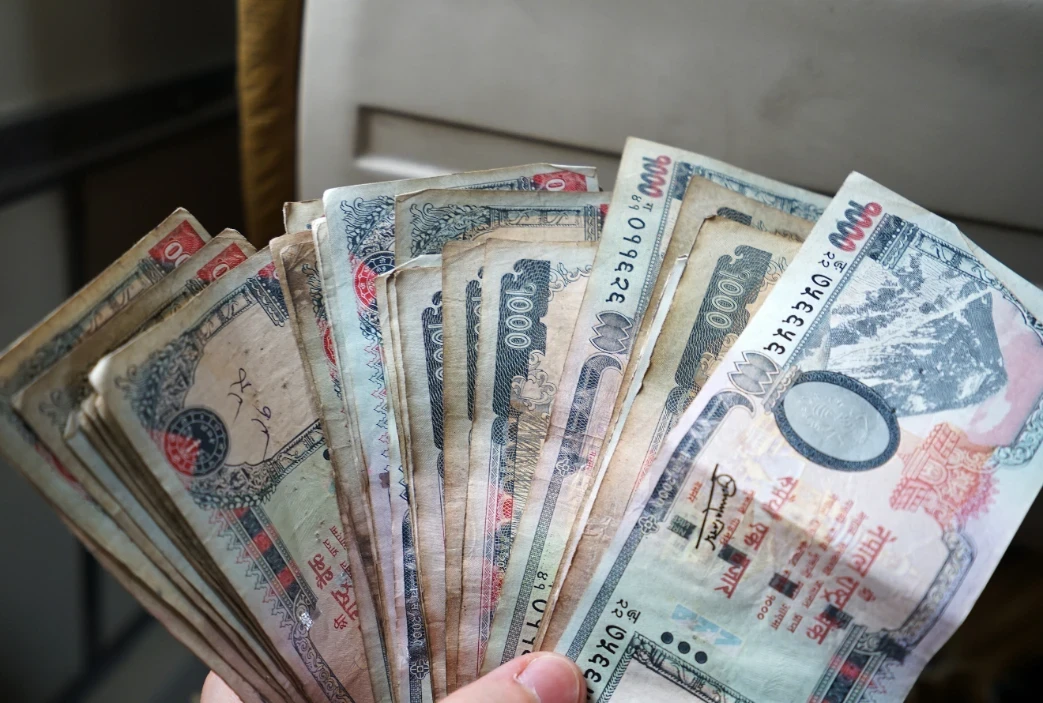
Cash on delivery still accounts for a large share of apparel orders outside the Kathmandu Valley, and that's not going away soon, but it needs pre-qualification (OTP verification, a small non-refundable booking fee for high-value orders) to cut down on non-collection. Alongside COD, eSewa and Khalti should be built into checkout as the default digital options, since these are what most Nepali online shoppers already have set up and trust, ahead of card payments for most domestic buyers.
Daraz and marketplace presence versus owned website
Daraz brings discovery volume a small brand's own website often can't match early on, but it comes with commission, less control over branding, and no way to build a direct customer relationship or retarget buyers later. The two aren't a choice between one or the other: Daraz for volume and discovery, an owned website for margin, brand control, and the customer data that makes retention marketing possible. Brands that rely on Daraz alone never build a list they can market to directly.
SEO for Clothing Brands Selling in Nepal
Search intent for fashion in Nepal splits by occasion, not just product type
A meaningful share of clothing searches in Nepal are occasion-driven: "Dashain kurta collection," "wedding daura suruwal Kathmandu," "office wear for women Nepal," rather than pure product terms. Building content and category pages around occasions, not just product categories, captures search volume that generic product listings miss entirely.
Category and product page structure
Each category page (kurta sets, western wear, ethnic wear, footwear) should be built as a genuine landing page: a short intro paragraph targeting the category keyword, clear filtering by size and price, and internal links to related categories. Product pages need unique descriptions, not manufacturer copy duplicated across every colour variant, since duplicate content across size and colour variants is one of the most common technical issues suppressing rankings for fashion e-commerce sites.
Local SEO for brands with a physical store
For boutiques and stores with a physical location in Thamel, New Road, Jawalakhel, or elsewhere, a fully filled-out Google Business Profile with accurate hours, photos, and location matters for the "kurta shop near me" style searches that convert fast because the buyer is already looking to visit today. Reviews matter here more than almost any other SEO factor for local fashion retail.
Content that supports both SEO and AI-driven search
Style guides, sizing guides, and seasonal lookbook posts ("What to wear for Dashain 2026," "How to style a daura suruwal for a modern wedding") build the kind of topical depth that ranks well and gets pulled into AI-generated search summaries, provided the actual answer to the query sits in the first few sentences rather than being buried under scene-setting.
Paid Advertising for Clothing Brands
Meta ads still do most of the work
For most Nepali clothing brands, Meta (Instagram and Facebook) ads carry the bulk of paid budget, and that's reasonable given where the audience already is. The mistake is running only boosted posts instead of structured campaigns: separate prospecting campaigns (new audience, catalogue-based) and retargeting campaigns (site visitors, cart abandoners, past customers) perform very differently, and treating them the same wastes spend on the wrong audience at the wrong stage.
TikTok has real reach again
TikTok's ban in Nepal was lifted in August 2024, and it's back to being a genuine discovery channel for younger fashion audiences, particularly for streetwear and casual wear brands. Organic TikTok content (styling videos, get-ready-with-me content, behind-the-scenes) tends to outperform polished ad creative on the platform, and it's a channel worth testing before committing meaningful paid budget.
Google Shopping and search ads for higher-intent buyers
Search ads matter less for impulse fashion browsing but more for occasion-driven, higher-intent searches: someone searching "buy daura suruwal online Nepal" close to Dashain is close to a purchase decision, and a well-structured Shopping feed with accurate pricing and availability captures that intent better than social ads do.
Budget planning around Nepal's festival calendar
Ad spend should flex heavily around Dashain, Tihar, and wedding season (winter months), since these drive a disproportionate share of annual apparel sales. Flat, year-round ad budgets miss the point: spend should ramp up 4 to 6 weeks ahead of major festivals and taper during quieter months rather than staying constant.
Social Media Marketing Beyond Paid Ads
Instagram and Facebook as the primary discovery channel
Reels remain the highest-reach content format for clothing brands on Instagram, and styling content (how to wear a piece three different ways, outfit pairing ideas) consistently outperforms plain product shots. Facebook still carries real weight for a slightly older, family-oriented buying audience in Nepal, particularly for ethnic and wedding wear, and shouldn't be dropped in favour of Instagram alone.
Turning DMs into a trackable sales channel
The single highest-leverage fix for most Nepali clothing brands is moving DM-based selling into a system, whether that's a lightweight CRM, WhatsApp Business with saved replies and catalogue integration, or simply a shared inbox with tagging, so enquiries don't get lost and the team can see what's converting and what isn't.
User-generated content and customer styling posts
Encouraging customers to post their own styling of a purchase and tagging the brand produces content that converts better than studio shots, because it shows real fit on real body types, which directly addresses the sizing hesitation covered earlier.
Influencer Marketing for Nepali Fashion Brands
Micro-influencers with genuinely engaged Nepali audiences, rather than the largest follower counts, tend to produce better cost per sale, particularly when the partnership is structured as gifting plus a discount code that lets the brand actually measure what the collaboration generated. Vetting matters: an influencer with a large but disengaged or bot-heavy following is a common way brands waste budget on partnerships that never move product.
Retention: The Channel Most Clothing Brands in Nepal Skip Entirely
Most brands treat every sale as a one-off. A simple WhatsApp or SMS follow-up after delivery (asking about fit, encouraging a review, flagging the next relevant collection) recovers repeat purchases that would otherwise never happen. Given how much of Nepal's fashion buying is festival and wedding-season-driven, a customer who bought Dashain wear this year is a highly qualified audience to reach again ahead of next year's season, provided the brand kept their contact details and actually used them.
Measuring What Matters
At minimum, a clothing brand should be able to answer: which channel (Instagram, Facebook, TikTok, Daraz, direct website) produced which sales, what the cost per sale was by channel, and what the return/non-collection rate looks like by payment method and delivery area. Without this, decisions about where to spend the next month's marketing budget are guesses, and guessing with real money during a two-week festival window is an expensive way to learn.
A Practical Starting Roadmap
- Fix the basics: proper size charts, a real returns policy, and a way to track DM enquiries instead of losing them.
- Build or fix the website's product and category pages, add eSewa/Khalti checkout, and set up basic tracking (GA4, Meta pixel).
- Structure Meta ad campaigns properly (prospecting vs retargeting), test TikTok organic content, and set up a Google Business Profile if there's a physical store.
- Launch a retention follow-up flow via WhatsApp/SMS, review what channel is actually producing sales, and plan ad budget ramp-up ahead of the next festival season.
Where Falcon Tech Nepal Fits
Falcon Tech Nepal builds websites and runs digital marketing for Nepali clothing and fashion brands that are ready to move past DM-only selling, with tracking in place so every rupee of ad spend can be traced back to an actual sale. Get in touch for a free review of your current site, social presence, and ad account to see exactly where sales are being left on the table.
FAQ
Do clothing brands in Nepal need a website if they're already selling well on Instagram? Instagram selling works at small volume, but it caps out fast without a proper checkout, order tracking, or a way to sell while the team isn't actively online. A website removes that ceiling and builds a customer list that can be marketed to directly, which Instagram alone doesn't allow.
Is TikTok worth using for a clothing brand in Nepal? Yes, the ban was lifted in August 2024 and it's an active discovery channel, particularly for younger audiences and streetwear or casual fashion. Organic content tends to outperform ads on the platform, so it's worth testing before committing significant paid budget.
Should a clothing brand sell on Daraz or build its own website? Both, ideally. Daraz brings discovery volume a new brand's own site often can't match early on, but an owned website is what builds margin, brand control, and a customer list for retention marketing. Relying on Daraz alone means never owning the customer relationship.
How should ad budget be planned around Nepal's festival calendar? Spend should ramp up 4 to 6 weeks ahead of Dashain, Tihar, and wedding season, then taper during quieter months, rather than running a flat budget year-round that misses the concentrated demand these periods bring.
What's the biggest quick win for a Nepali clothing brand's marketing right now? Fixing sizing information and moving DM-based sales into a trackable system. Both directly reduce returns and lost enquiries, which affects revenue faster than adding a new marketing channel does.


