
Is Your Website Ready for Nepal’s Multilingual Market?
02 Nov 2025
Nepal is undergoing rapid changes in both its digital environment and its readership. With more than 120 known languages distributed throughout the country, creating a solid online presence in Nepal's multilingual market is no longer optional; it is now a necessity. Companies that continue to use only English or Nepali websites are leaving a substantial market opportunity unexploited, as they fail to reach local-language users who speak alternative languages such as Maithili, Bhojpuri, Newari, or Tibetan.
A localized, multilingual site in Nepal not only increases visibility but also builds trust. It will make your brand sound in its first local language, improve its search engine performance in its area, and increase its presence across different demographics. Simply put, localization in Nepal helps bridge the gap between your brand's message and the individuals who matter most to you and your customers.
The actual question is then: Does your website have the readiness to speak the many languages of Nepal? And what makes your platform shine in a nation where even a single word is a ton?
What Makes Nepal’s Market So Linguistically Diverse?
Nepal's linguistic diversity is rooted in its rich ethnic and cultural mosaic. More than 120 languages and dialects are spoken by various Hill caste groups across the country, including Maithili, Bhojpuri, Newari, and Tamang. Although Nepali is the official language and a common means of communication, it is the mother tongue of only about 45 percent of the population.
This is a multilingual environment, owing to Nepal's rich cultural heritage, where different ethnic communities still maintain their original languages alongside Nepali. This is an immediate effect of linguistic diversity on the digital and online market in Nepal, where businesses must ensure their content is available in multiple languages to reach and target different groups of people, thereby broadening their reach.
Why Should Businesses in Nepal Focus on Multilingual Websites?
The most advantageous industries in the country are tourism, hospitality, education, and e-commerce, which cater to domestic consumers and international travelers; hence, localization in Nepal is a critical digital success strategy. The ease of access in local languages will foster a sense of trust, inclusion, and participation among users who may not speak Nepali or English.
Localizing websites and translating content into local major languages, such as Maithili, Bhojpuri, and Newari, will help brands reach regional audiences more authentically. Industries such as tourism, hospitality, education, and e-commerce are the most beneficial ones - they serve both domestic users and international visitors, and therefore, localization in Nepal is a crucial digital success strategy.
Who Is Your Website Really Speaking To in Nepal?
As Nepal is a target market, understanding your target audience is crucial for localization. Users in urban areas typically have greater internet access and can navigate websites with ease in either Nepali or English. However, rural users often use regional/indigenous languages and frequently face a digital literacy divide.
Nepali can be superior as a national language; yet, in rural and community-based markets, regional dialects such as Tamang, Magar, and Tharu are widely spoken. In addition to attracting locals, Nepal's websites need to attract foreign visitors who need to read their content in English or other international languages.
Basing audience segmentation on language, geography, and user intent helps brands create content, design, and messages that are more relevant and convincing.
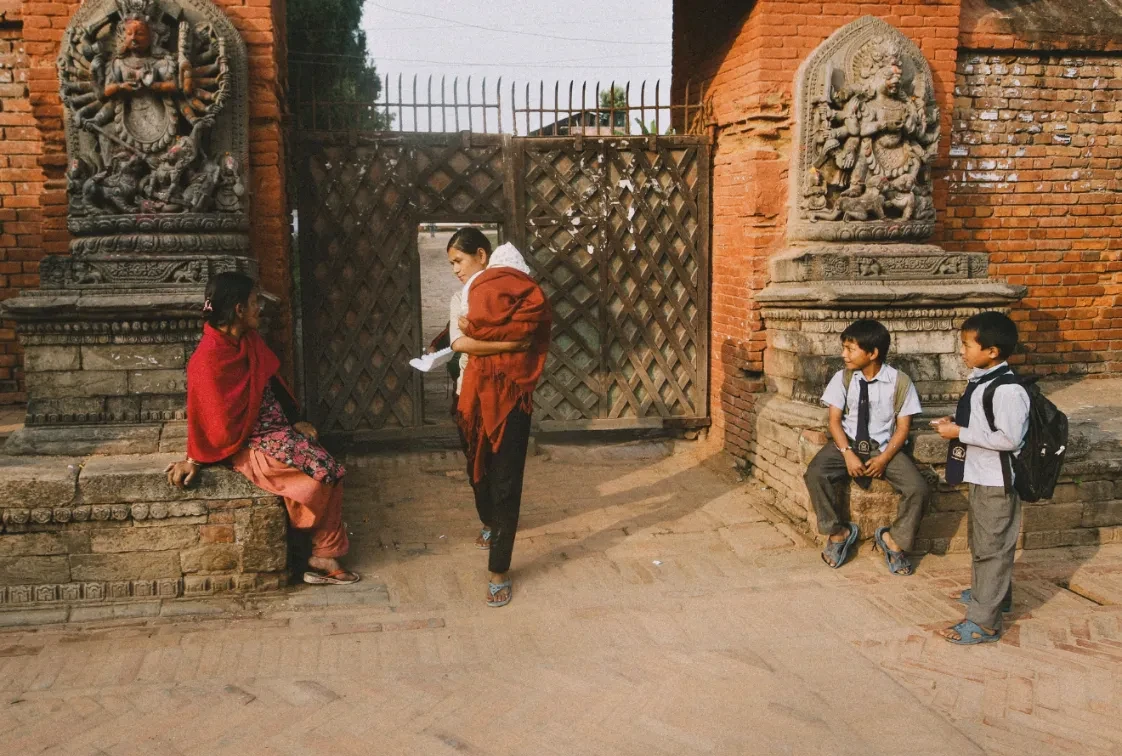
Localization vs. Translation in Nepal.
The terms' localization' and 'translation' are often used interchangeably; however, in reality, they are very different, particularly within the Nepali market, where language and cultural diversities are extreme.
Translation is based on the conversion of words in a language to a different language, though it is done in a grammatically correct manner, and the meaning is retained. Communication is necessary, but it does not necessarily make content culturally relevant. For example, a translated tourism site may describe Dashain as one of the festivals of lights, which is not entirely accurate and does not reflect its family and religious significance.
Translation, however, is pushed a few notches further by localization. It not only changes the words but also the experience, matching the visuals, idioms, tone, and even the date and currency formatting to the local situation. In Nepal, this could involve using the Devanagari typeface rather than Romanized Nepali, including local terms such as "Namaste" or "Jojolapa," and using local images of Nepali lifestyles rather than Western stock photos.
Localization makes your product, site, or app feel native to the end user, as if it were created specifically for them, rather than translated for them. One localized interface in Nepal would cover:
- Colour choices aligned with the culture (i.e., red and saffron during celebrations, but not white on festive banners).
- Payment options such as eSewa or Khalti are used by Nepali users.
- Options of calendars that align with the Bikram Sambat year.
How Can Multilingual SEO Improve Your Website’s Visibility?
SEO Multilingual optimization is the strategic optimization of your site to more than two languages and regions, so that search engines can display the appropriate form of your content to the relevant users. In a nation like Nepal, where users employ various languages, including Nepali, English, and local dialects, multilingual SEO is crucial for achieving visibility and relevance.
An effective multilingual SEO in Nepal consists of:
- Google-specific keyword searches: You can be sure that your site will be found regardless of the type of search query by learning how different people will search in both Devanagari script (e.g., “नेपाल यात्रा”) and Romanized Nepali (Nepal yatra).
- Hreflang tags: These tags inform search engines which of your pages should be shown to which audiences (e.g., English or Nepali readers), thereby helping you avoid duplicate content issues.
- Localized metadata: It enhances click-throughs and increases the relatability of your content by writing page titles and meta descriptions in more than one language.
- URL structure: The site's subdirectories, such as /ne/ or /en/, keep the site clean and enable search engines to easily categorize content accordingly.
To boost its organic presence, an English-speaking tourism firm offering services in Everest Base Camp Treks will be displayed in both Nepali and English search results. It is the powerful force of multilingual search engine optimization in Nepal's rapidly growing digital world.
Which Tools Help You Build a Multilingual Website for Nepal?
The business requires both multilingual multimedia CMS platforms and platforms that can be easily modified to handle multiple languages to manage multilingual content.
The most popular one is WordPress, which is used in Nepal. Using simple tools like WordPress Multilingual Plugin, Polylang, or Translatepress, the company will be able to control translations, hreflang tags, and SEO without affecting the primary site.
Both Joomla and Drupal are performance-sufficient, and they include an in-built multilingual system that automatically clones and translates information, and divides URLs.
E-commerce websites like Shopify and WooCommerce offer localization extensions, including support for local currencies (NPR), the Nepali language, and local payment gateways.
To make the software more localized, companies can use X-Doc.ai or Smartling to create interface text, notifications, and help guides in Nepali, tailored to the local context.
What Mistakes Do Businesses Make When Going Multilingual?
Nepal is one of the countries where many businesses invest in multilingual websites without a clear localization strategy, resulting in lost opportunities, reduced interactions, and lower search rankings. However, to reach the various audiences in Nepal, a literal translation may not be the only key; it will also be necessary to adapt the translation to the local culture, optimize technical aspects, and ensure consistency in the user experience. These are the most popular errors:
1. Excessive use of machine translation.
Using automated tools such as Google Translate can only result in unnatural wording, misinterpretation of idioms, or an inability to convey the context correctly. To illustrate this, even a promotion message translated directly can confuse Nepali users or appear unprofessional, harming your brand's reputation. To enable correctness and cultural relevance, human review and professional localization are necessary.
2. Failure to address Cultural Context.
Content that is not localized to local customs, values, and preferences can isolate users. This includes imagery, tone, colors, and references that Nepali audiences can relate to. For example, greetings at the festival, product descriptions, or advertising content should consider regional peculiarities, such as the festivals of Dashain or Tihar, to establish natural associations.
3. Inconsistent Brand Tone
It is essential to ensure that the brand voice remains consistent across all languages. Unless a webpage is localized, it can appear professional in English, yet too formal or informal in Nepali. The uncertainty in the tones would mislead users, thereby decreasing conversion rates and customer loyalty.
4. Incomplete or Partial translation.
Some sites only translate major pages, leaving the other parts in their original language. Users who encounter mixed-language pages will feel confused and disoriented. Complete coverage ensures a seamless user experience and reflects the brand's strong professionalism.
5. Technical SEO Errors
Multilingual websites should be adequately optimized for SEO. Duplicate content may occur due to misconfigured hreflang tags, the absence of canonical links, or an incorrect URL format. The necessary features for better ranking and visibility include structured URLs (e.g., /ne/ for Nepali, /en/ for English) and localized metadata.
6. There is a disregard for the Script Preferences.
Nepali online users primarily use the Devanagari script. The lack of content delivery in the desired script may decrease engagement levels and lower accessibility. Relevant script management, font selection, and readability are some of the factors that contribute to reaching varied audiences.
How to Prepare Your Website for Nepal’s Multilingual Market?
- Invest in Professional Localization: Hire individuals who can localize content for specific cultures, not just linguistically.
- Culturally Relate Content: Use examples, pictures, and references that are culturally relevant to Nepali people.
- Be the same Brand Voice: Ensure the tone and style remain consistent across all language versions.
- Localize all web pages: Localize all pages, menus, forms, footers, and legal content.
- Apply Correct Multilingual SEO: Click on hreflang tags, organize URLs, and use localized meta tags to optimize ranking.
- Place Script Preferences: Support Devanagari script, but ensure that it can be read on any device.
- Test User Experience in different languages: Test navigation, buttons, and layouts of all language versions to improve their usability.
- Review and Revise Intermittently: Translations should be updated regularly, and SEO performance and feedback should be periodically checked.
- Leverage Tools and Plugins: Accuracy is ensured by CMS platforms and multilingual plugins that undergo human review.
- Future Expansion: Structure the site and workflows to enable simple future expansion as you add new languages to your business.
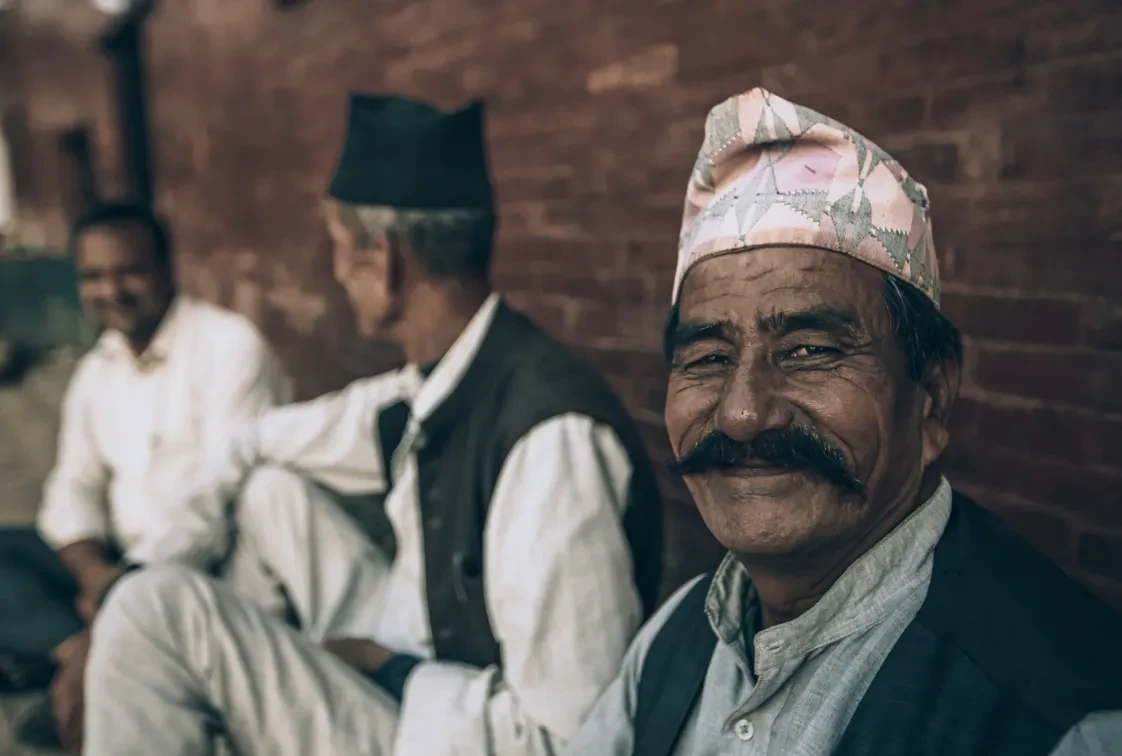
Designing an effective multilingual website in Nepal will not be a mere translation of words but is rather an effort to provide a fully localized experience that meets the expectations of the culture, user behaviour, and search engines. Those companies that circumvent such pitfalls can attract customer interest, improve their search results, and gain credibility among the various speaking populations of Nepal.
Do you want to take your website to the next level? Falcon Tech Nepal specializes in creating multilingual, fully localized websites for business clients in Nepal.


